

Swimmer's Shoulder: a Deep Dive Physical Therapy for Swimmers in Arlington, VA
What Is Swimmer's Shoulder?
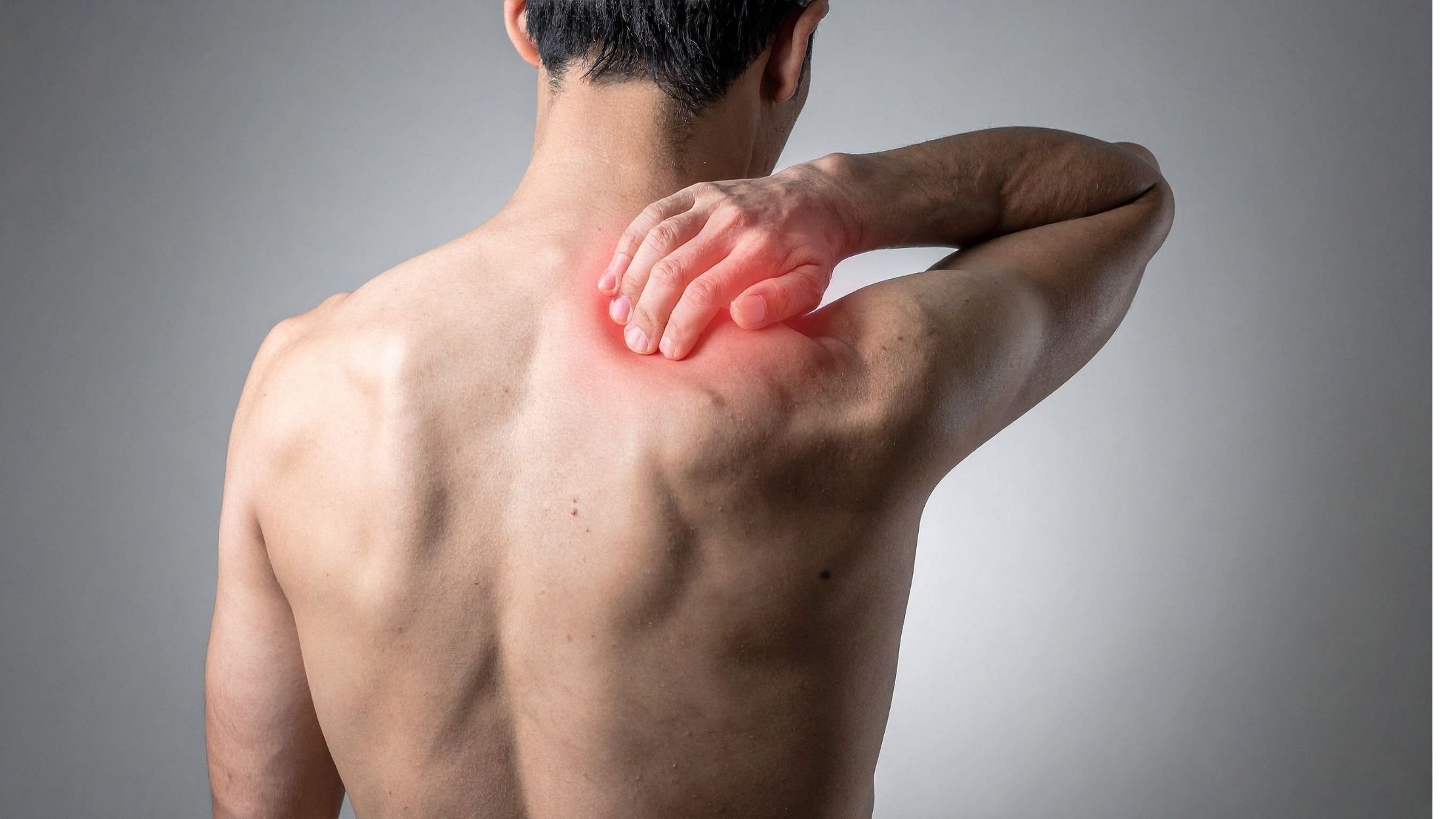
The term "swimmer's shoulder" was first introduced by Kennedy and Hawkins in 1974 to describe pain and dysfunction of the shoulder complex in competitive swimmers. It has persisted in clinical and coaching vocabulary ever since, but it is important to understand from the outset that the term does not refer to a single diagnosis. Swimmer's shoulder is an umbrella label covering a range of distinct structural and functional presentations, including rotator cuff tendinopathy, subacromial pain, posterior capsular tightness with internal impingement, glenohumeral instability, labral pathology, and scapulothoracic “dyskinesis.” Effective treatment depends on correctly identifying which of these presentations is driving symptoms in a given athlete, rather than applying a generic protocol to anyone with shoulder pain.
The shoulder is the most commonly injured joint in competitive swimming, accounting for more time loss than any other body region. Reported prevalence rates vary widely depending on how pain and injury are defined, but across multiple studies and systematic reviews, shoulder pain prevalence in competitive swimmers ranges from approximately 23% to 91%, with the highest rates found in adolescent swimmers. A 2023 systematic review reported shoulder-specific injury prevalence of 23% to 51% in male competitive swimmers and 33% to 41% in females, and noted a trend of rising prevalence across studies from 26% in 1993 to 38% in 2012 despite advances in sports science and rehabilitation. A systematic review of training volume and shoulder pain across the swimmer's lifespan found that adolescent swimmers showed the highest prevalence (91.3%) compared to other age groups (range 19.4% to 70.3%), with moderate evidence linking training volume to shoulder pain specifically in this age group.
Whether you are a masters swimmer competing through a USMS program or a youth swimmer in age group or high school competition in the Arlington, Virginia area, the high demand of swimming training means shoulder pain at some point is common rather than exceptional.

Why the Shoulder is Vulnerable in Swimmers
Competitive swimmers perform an extraordinary volume of shoulder revolutions. A swimmer training 15 or more hours per week may complete upwards of 100,000 shoulder cycles in a given training week across freestyle, backstroke, butterfly, and individual medley. This volume is without close parallel in other overhead sports.
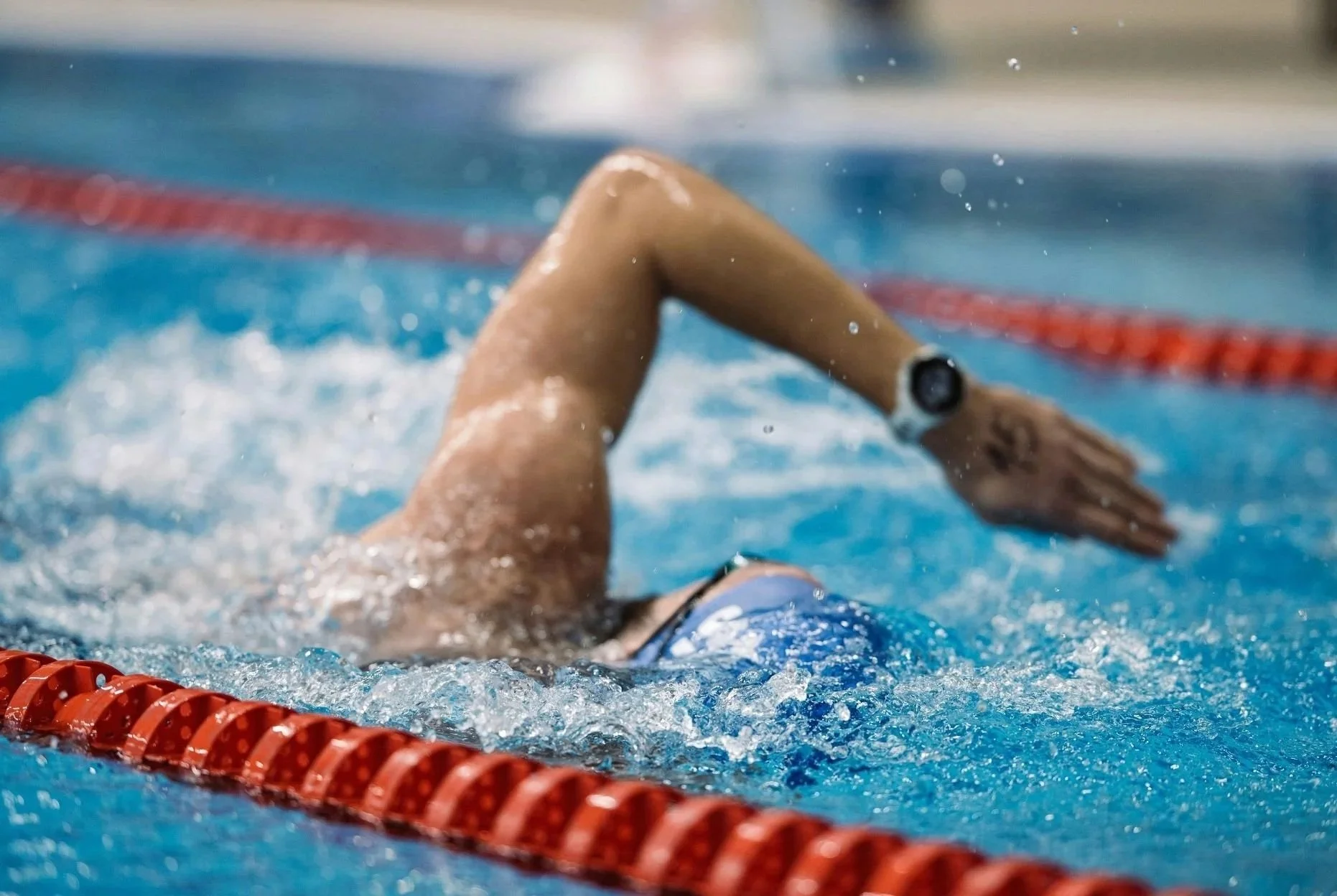
The freestyle stroke places the shoulder in a mechanically demanding position: the arm enters the water in forward flexion, crosses the midline in many swimmers (hand entry crossing the center line of the body), and then drives through an extended internal rotation and adduction pattern in the pull phase. The recovery phase places the shoulder in a position of combined abduction and external rotation. Repeated cycling through these positions under fatigue creates cumulative mechanical demand on the rotator cuff tendons, labrum, and capsuloligamentous structures.
A key biomechanical consequence of high-volume swimming is the disproportionate development of the internal rotators, specifically the pectoralis major, latissimus dorsi, and subscapularis, relative to the external rotators and scapular stabilizers. The pull phase of freestyle requires powerful internal rotation and adduction, and the muscles driving that motion become dominant over time. This internal rotation strength bias, combined with posterior capsular tightness from repetitive loading, alters glenohumeral mechanics in ways that can contribute to multiple distinct pain presentations.
Imaging in Swimmer's Shoulder: What the Research Shows
One of the most important concepts for any swimmer who receives imaging for shoulder pain to understand is that MRI findings are extremely common in the shoulders of competitive swimmers who have no pain whatsoever.
A landmark cross-sectional study by Sein et al. (2010, BJSM) examined 80 elite swimmers aged 13 to 25. Of the 52 swimmers who underwent shoulder MRI, 69% showed evidence of supraspinatus tendinopathy. Critically, this finding correlated strongly with hours trained per week (r = 0.49, p < 0.0001) and weekly yardage, not with whether the athlete was symptomatic. Swimmers training more than 15 hours per week were twice as likely to show tendinopathy on MRI as those training less. Those swimming more than 35 km per week were four times more likely. The study's conclusion challenged a long-standing clinical assumption: shoulder laxity itself had only a minimal association with impingement pain, and training volume was the dominant driver of structural change.
A more recent large MRI study of elite swimmers in Australia, Holt et al. (2022, Journal of Science and Medicine in Sport), examined 60 elite swimmers (aged 16 to 36) and 22 age- and sex-matched healthy controls. Subscapularis tendinopathy was found in 73% of swimmers in at least one shoulder, and supraspinatus tendinopathy in 70%. Both were significantly more common in swimmers than in controls. Critically, pathology on imaging was not a predictor of current pain. Grade 3 tendinopathy was significantly more prevalent in the subscapularis than in the supraspinatus (p < 0.01), a finding that challenges the longstanding clinical emphasis on supraspinatus as the primary tendon of concern in swimmers.
The Celliers et al. study (South African Journal of Radiology, 2017) added a further important data point: of 40 swimmer shoulders examined by MRI (both symptomatic and asymptomatic), 97.5% showed abnormal MRI features. MRI findings in the symptomatic and asymptomatic shoulders of young elite swimmers were similar, leading the authors to conclude that symptoms should not necessarily be attributed to imaging changes.
Fredericson et al. (2009, PM&R) found that in completely asymptomatic collegiate swimmers, 83% demonstrated moderate labral changes and 67% showed moderate ligament changes on MRI.
The general shoulder imaging literature reinforces this picture. A 2025 systematic review in JOSPT of rotator cuff imaging abnormalities in asymptomatic adults found tendinopathy or partial thickness tears in 7% to 70% of asymptomatic athlete shoulders across included studies. A 2025 Finnish population-based study (the FIMAGE study) examining bilateral 3-Tesla shoulder MRI in 602 adults aged 41 to 76 found rotator cuff abnormalities in 96% of asymptomatic shoulders and 98% of symptomatic shoulders, concluding that such findings may represent age-related normal variation rather than pathology requiring treatment.
The clinical implication is direct: in a competitive swimmer, an MRI showing rotator cuff tendinopathy, labral changes, or subacromial fluid does not establish the cause of pain, and it does not determine the treatment plan. The imaging is one piece of information among many. A physical therapist treating swimmer's shoulder must correlate imaging findings with the clinical history, sport-specific loading patterns, movement assessment, and functional testing to develop a coherent picture of what is actually driving symptoms in that athlete.
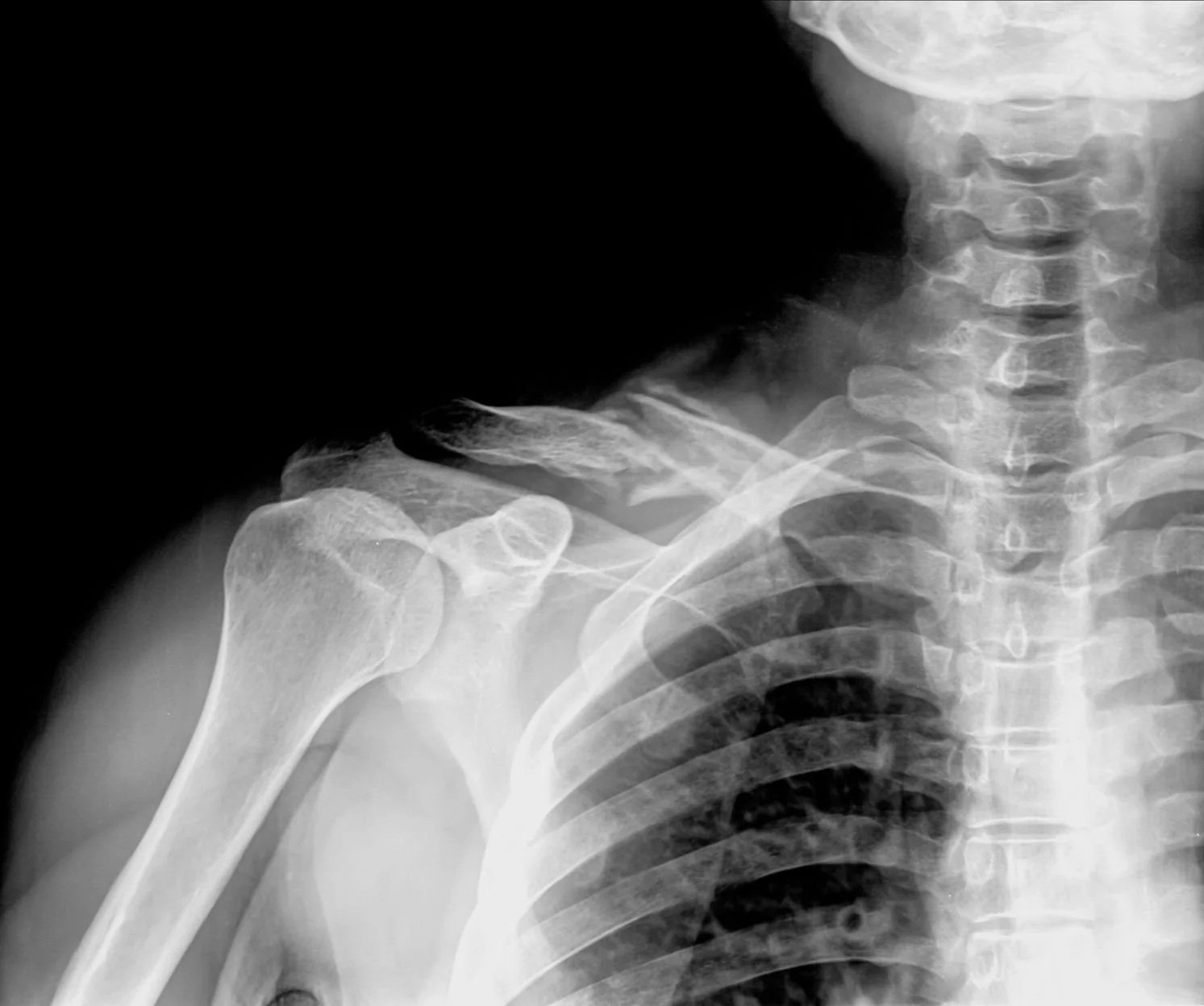
Imaging is rarely warranted for swimmers - and can sometimes make matters worse by reinforcing a “broken” body image.
Classifying Swimmer's Shoulder: Why It Matters
Because swimmer's shoulder encompasses multiple distinct presentations, effective physical therapy depends on accurately classifying which impairments are dominant in a given athlete. The Staged Approach for Rehabilitation Classification for the Shoulder (STAR-Shoulder), proposed by McClure and Michener (2015, Physical Therapy), provides a clinically useful framework that integrates pathoanatomic diagnosis with a rehabilitation classification based on tissue irritability and dominant impairments. A retrospective study examining 692 patient records found that patients whose care was matched to the STAR-Shoulder classification had significantly better outcomes in pain reduction (mean difference 1.2 points on NPRS, effect size d = 0.5) and QuickDASH scores (mean difference 12.7 points, effect size d = 0.7) compared to those whose care was unmatched, with no difference in number of visits.
For the swimmer, three broad presentation categories are worth understanding in detail.
Category 1: Strength Deficits
This is the most common presentation and the one most consistently supported by the research literature.
The rotator cuff functions primarily as a compressor and dynamic stabilizer of the glenohumeral joint. During the pull phase of freestyle, the subscapularis, supraspinatus, infraspinatus, and teres minor must coordinate to maintain humeral head centration against the large forces generated by the pectoralis major and latissimus dorsi. When the rotator cuff is relatively weak, fatigued, or poorly coordinated relative to the prime movers, the humeral head migrates superiorly and anteriorly during the stroke, increasing contact stress on the supraspinatus tendon, the subacromial bursa, and the anterosuperior labrum.
The scapular stabilizers are equally important. The serratus anterior, lower and middle trapezius, and rhomboids must provide a stable, appropriately oriented platform for the rotator cuff to act from. Without adequate serratus anterior activity, the scapula fails to upwardly rotate and posteriorly tilt during arm elevation, reducing subacromial space and increasing the risk of rotator cuff tendon compression. Reduced serratus anterior recruitment and increased upper trapezius relative activity are consistently found in swimmers with shoulder pain.
In the Sein et al. (2010) study, supraspinatus tendinopathy correlated significantly with competition level and weekly training load, not with shoulder laxity. This supports a load-management and strength-based model of injury rather than a purely structural one.
Clinical presentation: Pain is typically activity-related and correlated with training volume and intensity. Swimmers in this category often report that pain begins during or after a hard set, worsens during high-yardage weeks, and improves with rest. They may have pain at the end of the pull phase or during high-load sets. Clinical examination reveals weakness in shoulder external rotation, horizontal abduction, and scapular stabilization, often with altered scapular movement patterns during arm elevation.
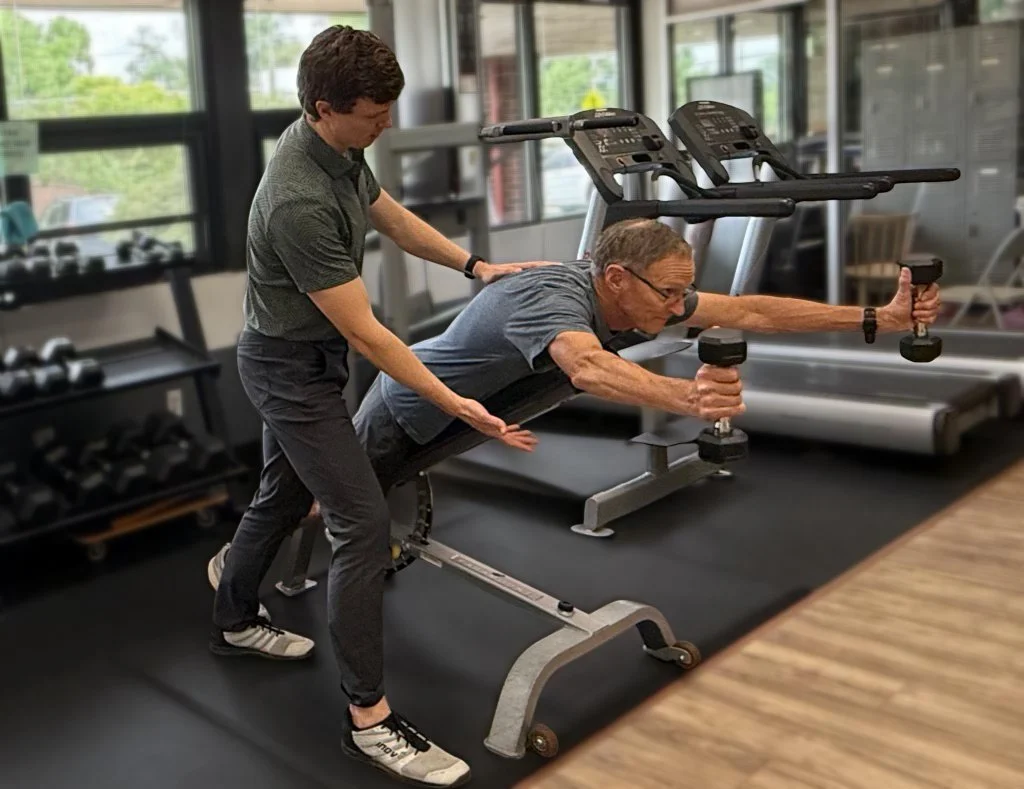
Treatment principles: Progressive rotator cuff and scapular stabilizer strengthening is the primary intervention. Key targets include the external rotators (infraspinatus and teres minor), serratus anterior, lower trapezius, and subscapularis. Load management in the pool (yardage reduction, stroke modification, avoidance of hand paddles during acute phases) is a concurrent requirement, not an afterthought. The goal is to raise the athlete's tissue capacity above the demands of their training load.
Category 2: Mobility Deficits
Posterior capsular tightness is a well-recognized adaptation to high-volume overhead loading and is found frequently in competitive swimmers, overhead throwing athletes, and other overhead sport participants.
When the posterior glenohumeral capsule tightens, it restricts glenohumeral internal rotation (GIRD: glenohumeral internal rotation deficit) and alters the resting position of the humeral head, shifting it anterosuperiorly and increasing contact between the posterosuperior rotator cuff and the posterosuperior glenoid during arm elevation and cross-body motion. This internal impingement pattern is a distinct mechanism from the classic subacromial impingement narrative.
In swimmers, GIRD is particularly relevant during the hand entry and catch phase of freestyle, when the arm is in forward flexion with internal rotation, and during the recovery phase. Restricted posterior capsule mobility also alters scapular mechanics, contributing to the dyskinesis pattern described above.
An additional mobility consideration in swimmers is glenohumeral external rotation range of motion. Swimmers who develop restricted external rotation may alter their stroke mechanics in ways that compensate at the expense of increased shoulder stress elsewhere.
Clinical presentation: Athletes in this category may report deep posterior shoulder pain during cross-body movements, pain at the back of the shoulder during the catch or recovery phases of freestyle, or a sense of tightness or restriction rather than weakness as their primary complaint. Side-to-side comparison of internal rotation range of motion in supine with the arm at 90 degrees of abduction is the key clinical test, with greater than 18 to 20 degrees of asymmetry generally considered a clinically meaningful deficit.
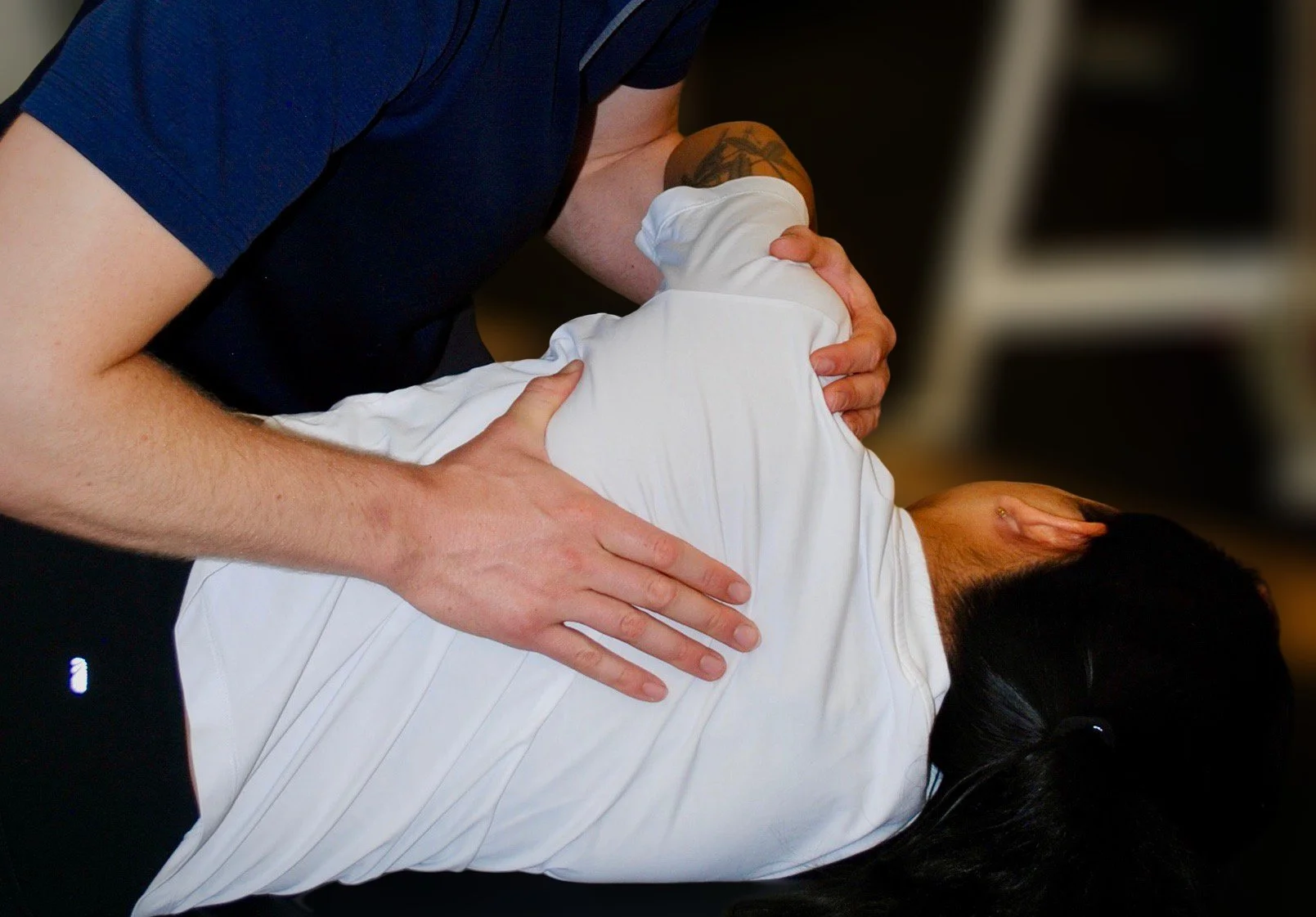
Treatment principles: Posterior capsular stretching is the primary intervention, with the sleeper stretch and cross-body stretch being the most commonly used techniques. The sleeper stretch places the arm in 90 degrees of shoulder flexion and internal rotation while side-lying, targeting the posterior capsule directly. It is important that these stretches are performed with the scapula stabilized to ensure the motion comes from the glenohumeral joint rather than from compensatory scapular movement. Manual joint mobilization into internal rotation may be useful in more restricted presentations. Strengthening of the external rotators and posterior rotator cuff complements stretching by improving active control of the restored range.
Category 3: Instability
Glenohumeral instability in swimmers is a more nuanced presentation than in contact or throwing sports, and it is frequently misunderstood.
Swimming-related instability is typically not the traumatic, structural instability associated with dislocation and Bankart lesions. Instead, it exists on a spectrum from functional micro-instability, in which the dynamic stabilizers are insufficient to maintain humeral head centration under load, to multidirectional laxity, in which the capsuloligamentous restraints are overstretched from years of repetitive loading in the abducted and externally rotated position.
The relationship between laxity and instability deserves careful consideration. Laxity refers to passive joint mobility and is common in swimmers; it is not inherently pathological, and many elite swimmers with notable glenohumeral laxity have no pain. Instability refers to symptomatic, unwanted translation of the humeral head during loading, and it is this translation, not the laxity itself, that is typically the primary driver of pain and dysfunction. The Sein et al. (2010) study specifically demonstrated that shoulder laxity had only a minimal association with impingement pain, reinforcing the distinction between structural laxity and clinically meaningful instability.
The instability presentation in swimmers most commonly manifests as a failure of dynamic stabilization: the rotator cuff and periscapular muscles are unable to maintain adequate compression of the humeral head against the glenoid during the power phase of the stroke, particularly under fatigue. This functional instability is addressable through neuromuscular training and progressive rotator cuff strengthening without surgery in the vast majority of athletes.
True multidirectional instability with a positive sulcus sign and symptomatic anterior or inferior translation that does not respond to conservative care is a less common but distinct presentation, and surgical consultation (typically for capsular plication) may become relevant in refractory cases. However, this is the minority of swimmers presenting with shoulder pain, and operative intervention should follow an adequate trial of conservative management.
Clinical presentation: Athletes in this category may report a sense of looseness, clicking, or giving way with the shoulder in abduction and external rotation (the catch phase of freestyle). Some describe pain specifically when fatiguing late in a set. The sulcus sign, apprehension test, and load-and-shift test are the relevant clinical assessments. Importantly, scapular dyskinesis is almost universally present in this group, as the scapular stabilizers are a critical component of dynamic shoulder stabilization.
Treatment principles: Neuromuscular control and dynamic stabilization form the backbone of treatment. Closed-chain shoulder exercises, proprioceptive training, rhythmic stabilization, and perturbation training are prioritized alongside rotator cuff strengthening. Progression to sport-specific loading (stroke simulation, resistance paddles, and eventually return to full yardage) follows establishment of adequate neuromuscular control. Avoidance of provocative positions in the early stages allows the athlete to train without reinforcing the instability pattern.
Common Misconceptions About Swimmer's Shoulder
-
As described in the imaging section above, the presence of rotator cuff tendinopathy or partial thickness changes on MRI in a competitive swimmer is expected and common in both symptomatic and asymptomatic shoulders. Imaging findings in isolation do not drive the treatment decision. A 2025 Finnish population-based MRI study found rotator cuff abnormalities in 96% of asymptomatic shoulders over age 40. The management of swimmer's shoulder is almost always conservative first, with surgery reserved for structural pathologies (frank full-thickness tears with functional deficits, labral repairs for recurrent traumatic instability) that have failed adequate rehabilitation.
-
Complete cessation of swimming is rarely necessary and carries real costs: deconditioning, loss of technique, and the psychosocial impact of athlete identity disruption. Load management is not the same as rest. The goal is to identify the training parameters that are provocative (yardage, hand paddles, specific sets, stroke mechanics), modify them appropriately during the rehabilitation phase, and systematically rebuild toward full training. Swimmers with strength-deficit or mobility-deficit presentations typically continue modified training throughout the rehabilitation process.
-
The "impingement" framing, while historically dominant, oversimplifies the condition. Subacromial impingement is one potential mechanism among several. Many swimmers presenting with anterior shoulder pain during the catch and recovery phases are experiencing internal impingement (posterosuperior), functional instability, or tendon overload rather than subacromial compression. Treatment based solely on an impingement model, such as avoiding full elevation or defaulting to corticosteroid injection, may not address the underlying drivers and may miss the actual mechanism entirely.
-
This belief, which stems from Jobe's hypothesis that competitive swimming leads to laxity and that laxity leads to impingement, was directly tested and refuted by Sein et al. (2010). Training load was the dominant driver of supraspinatus tendinopathy. Laxity had only a modest, statistically weak association with impingement signs. Many elite swimmers with significant glenohumeral laxity are completely pain-free. The management of swimming-related shoulder pain should not be primarily aimed at reducing laxity through bracing or strict activity restriction.
-
This is a significant error in many competitive swimming programs, particularly at the youth level. Given the training volumes involved in competitive swimming, the rotator cuff and scapular stabilizers cannot maintain sufficient strength and endurance to sustain healthy glenohumeral mechanics without a deliberate dry land strengthening program. Studies consistently show that posterior rotator cuff strength deficits and high acute-to-chronic workload ratios are among the most strongly associated risk factors for shoulder injury. A well-designed dry land program is not supplementary; it is a fundamental component of shoulder health in competitive swimmers.
Evidence-Based Treatment for Swimmer's Shoulder
No clinical practice guideline exists specifically for swimmer's shoulder, reflecting the heterogeneity of the condition and the relative scarcity of high-quality RCTs in this population. Treatment recommendations are built from the general shoulder rehabilitation evidence base, applied through the lens of swimming-specific biomechanics and load demands. The STAR-Shoulder framework provides a useful structure for guiding treatment intensity and sequencing based on tissue irritability and dominant impairments.
Rotator Cuff and Scapular Stabilizer Strengthening
This is the most consistently supported active intervention across all three presentation categories. Key muscles to address include the external rotators (infraspinatus, teres minor), serratus anterior, lower and middle trapezius, subscapularis, and supraspinatus in pain-free ranges. Exercise selection should progress from low-demand isolation (side-lying external rotation, prone Y and T variations) through mid-tier functional movements (cable external rotation, scapular wall slides, face pulls) to higher-demand, sport-specific activities as the athlete's capacity improves.
The McKenzie and colleagues (2023) systematic review identified high acute-to-chronic workload ratio and reduced posterior shoulder strength endurance as the variables with the strongest evidence supporting an association with injury in competitive swimmers. This points directly toward two modifiable targets: load management and posterior rotator cuff endurance training.
Posterior Capsular Stretching
For athletes with meaningful glenohumeral internal rotation deficit, posterior capsule stretching is a primary intervention. The sleeper stretch and cross-body (horizontal adduction) stretch are the most commonly prescribed techniques. Both should be performed with scapular stabilization to isolate glenohumeral motion. Correction of GIRD addresses one of the key biomechanical contributors to internal impingement and altered stroke mechanics.
Load Management
For a competitive swimmer, load management is a clinical skill, not simply a recommendation to rest. It requires knowledge of the athlete's training structure, including yardage distribution across stroke types, use of equipment such as hand paddles and pull buoys (which alter shoulder loading substantially), and how training load has changed in the weeks preceding symptom onset. In youth swimmers specifically, the systematic review on training volume found moderate evidence linking swim volume to shoulder pain; year-round monitoring of both acute and chronic load is recommended to maintain a well-balanced program.
Stroke Mechanics
While the evidence for specific stroke technique modifications in swimmer's shoulder rehabilitation is less developed than the gait retraining literature in running, certain patterns are consistently associated with elevated shoulder stress: hand entry crossing the midline, a dropped elbow during the catch (reducing early shoulder external rotation), and excessive shoulder impingement at extreme internal rotation during the finish phase. Coordination between the physical therapist and the athlete's coach to address mechanics is most effective when it accompanies, rather than replaces, the strengthening and load management components.
Manual Therapy
Joint mobilization into glenohumeral internal rotation can complement stretching for posterior capsular restriction. Soft tissue techniques targeting the posterior rotator cuff, posterior capsule, and pectoralis minor may be useful adjuncts in the early stages when tissue irritability limits active exercise tolerance.
Youth Swimmers and Masters Swimmers: Key Differences
Youth Swimmers
Youth competitive swimmers, particularly adolescent athletes in the 14 to 17 age range, show the highest prevalence of shoulder pain across all swimmer age groups. Several factors specific to this population are clinically relevant. Growth-related changes in bone geometry, combined with the accelerated training volumes common in age group programs, create a particular vulnerability. The adolescent shoulder is also less tolerant of rapid load increases than an adult shoulder with established tissue capacity. Dry land training compliance is often lower in youth programs, and coaches may underappreciate the cumulative load of a high-yardage season.
For youth swimmers, treatment should incorporate education aimed at both the athlete and, where appropriate, the coaching staff. The systematic review finding that sudden, large increases in training volume are associated with shoulder pain in adolescents is directly actionable: graduated ramp-up protocols and year-round monitoring of training load are preventive measures, not just therapeutic ones.
Masters Swimmers
Masters swimmers present a different picture. Training volumes are generally lower than elite developmental programs, but the masters athlete's shoulder carries a longer history of accumulated load and, in many cases, age-related tissue changes. The general population imaging literature is highly relevant here: rotator cuff tendinopathy and partial thickness changes become nearly universal after age 40 in imaging studies regardless of symptoms, which means the master's swimmer who receives an MRI for shoulder pain is almost certain to have findings that must be interpreted carefully against the clinical backdrop.
Masters swimmers are also more likely to have mobility restrictions, concomitant cervical or thoracic spine contributions to shoulder symptoms, and a longer duration of accumulated asymmetrical strength development from years of swimming. Treatment may need to address a broader range of impairments, and the timeline to full resolution may be longer than in younger athletes.
What to Expect at Persist PT
At Persist PT in Arlington, VA, assessment of swimmer's shoulder begins with a detailed history: how long have you been swimming, what is your current training load, what stroke or phase of the stroke provokes symptoms, and what has changed recently in your program. This context is irreplaceable for making sense of clinical findings.
Examination includes a full shoulder assessment including glenohumeral range of motion (both active and passive, with side-to-side comparison), rotator cuff and scapular muscle strength testing, instability and provocative testing, and observation of scapular mechanics during arm elevation. Where relevant, stroke mechanics are discussed using the athlete's self-report or available video.
Treatment is individualized to the dominant impairment category: strength deficits, mobility deficits, or instability, with most athletes presenting with elements of more than one. Programs are built around progressive dry land strengthening and modified aquatic training, not rest. As a physical therapist with coaching certifications in both running and triathlon, and experience working with competitive swimmers across age groups, the goal at Persist PT is always to keep you in the water as much as possible while building the tissue capacity to sustain your training.
Physical therapy at Persist PT is cash-pay and one-on-one, meaning every session is spent with your physical therapist addressing your specific presentation, not working through a generic shoulder protocol with a technician.
Frequently Asked Questions
Can I keep swimming while doing physical therapy?
In most cases, yes. The plan will involve modifying specific elements of your training, such as reducing yardage, removing hand paddles, avoiding specific stroke phases, or temporarily limiting certain sets, rather than complete withdrawal from the water. Staying in the water supports your cardiovascular base, your technique, and your psychological engagement with the sport.
My coach says this is just tendinitis. Should I just take ibuprofen and wait it out?
Short-term NSAIDs may reduce symptom burden temporarily, but they do not address the underlying drivers of swimmer's shoulder. If training load, strength deficits, or mobility restrictions are not addressed, symptoms typically recur once anti-inflammatory support is withdrawn. The evidence strongly supports active rehabilitation over passive symptom management alone.
I am a masters swimmer and my MRI showed a rotator cuff tear. Does that mean I cannot continue swimming?
Not necessarily. As the imaging literature makes clear, rotator cuff abnormalities are extraordinarily common in adults over 40, including in asymptomatic individuals. The clinical relevance of any specific finding depends on its severity, whether it is full-thickness, whether there is functional strength loss, and how well symptoms respond to conservative management. Most partial-thickness and even many full-thickness rotator cuff tears are managed successfully with physical therapy and load modification. Surgical consultation is appropriate for tears with significant functional deficits that fail to respond to adequate conservative management, but it is not the default recommendation based on imaging alone.
My youth swimmer has had shoulder pain for two months. When should we see a physical therapist?
Shoulder pain persisting for more than two to four weeks in a competitive swimmer warrants evaluation. Adolescent swimmers are at the highest risk across all age groups, and early identification of load management issues and strength deficits produces better outcomes than waiting for symptoms to resolve spontaneously, particularly given the evidence that swimmer's shoulder is not reliably self-limiting.
References
Sein ML, Walton J, Linklater J, et al. Shoulder pain in elite swimmers: primarily due to swim-volume-induced supraspinatus tendinopathy. Br J Sports Med. 2010;44(2):105-113. https://bjsm.bmj.com/content/44/2/105
Holt K, Delbridge A, Josey L, et al. Subscapularis tendinopathy is highly prevalent in elite swimmer's shoulders: an MRI study. J Sci Med Sport. 2022;25(9):720-725. https://www.sciencedirect.com/science/article/abs/pii/S1440244022001815
Fredericson M, Ho C, Waite B, et al. Magnetic resonance imaging abnormalities in the shoulder and wrist joints of asymptomatic elite athletes. PM&R. 2009;1(2):107-116. https://onlinelibrary.wiley.com/doi/10.1016/j.pmrj.2008.09.004
Sanders S, Ibounig T, Haas R, et al. Rotator cuff imaging abnormalities in asymptomatic shoulders: a systematic review. J Orthop Sports Phys Ther. 2025;55(12):736-752. https://www.jospt.org/doi/10.2519/jospt.2025.13611
Celliers LM. Clinically relevant magnetic resonance imaging (MRI) findings in elite swimmers' shoulders. S Afr J Radiol. 2017;21(1):1080. https://sajr.org.za/index.php/sajr/article/view/1080
McKenzie A, Lewis G, Brauer S. Shoulder pain and injury risk factors in competitive swimmers: a systematic review. Scand J Med Sci Sports. 2023;33(10):1818-1835. https://onlinelibrary.wiley.com/doi/10.1111/sms.14454
Tate A, Turner GN, Knab SE, Jorgensen C, Strittmatter A, Michener LA. Risk factors associated with shoulder pain and disability across the lifespan of competitive swimmers. J Athl Train. 2012;47(2):149-158. https://pmc.ncbi.nlm.nih.gov/articles/PMC6961642/
McClure PW, Michener LA. Staged Approach for Rehabilitation Classification: Shoulder Disorders (STAR-Shoulder). Phys Ther. 2015;95(5):791-800. https://academic.oup.com/ptj/article/95/5/791/2686487
Young JL, Rhon DI, Cleland JA, Snodgrass SJ. Application of the Staged Approach for Rehabilitation Classification system and associated improvements in patient-reported outcomes following rehabilitation for shoulder pain. Phys Ther. 2024;104(5):pzae027. https://pubmed.ncbi.nlm.nih.gov/38412120/
Retraining of the scapular muscles often plays a role early in rehab.

Book a Free 15-Minute Discovery Call
Schedule a 15-minute call with a Doctor of Physical Therapy.